Lights-On Velocity
Every hour a feeder stays dark costs your customers heat, refrigeration and medical equipment, and costs you trust that takes years to earn back. Tallwire cuts the gap between the storm passing and crews energizing lines from days to hours.
The Real Cost of a Dark Feeder
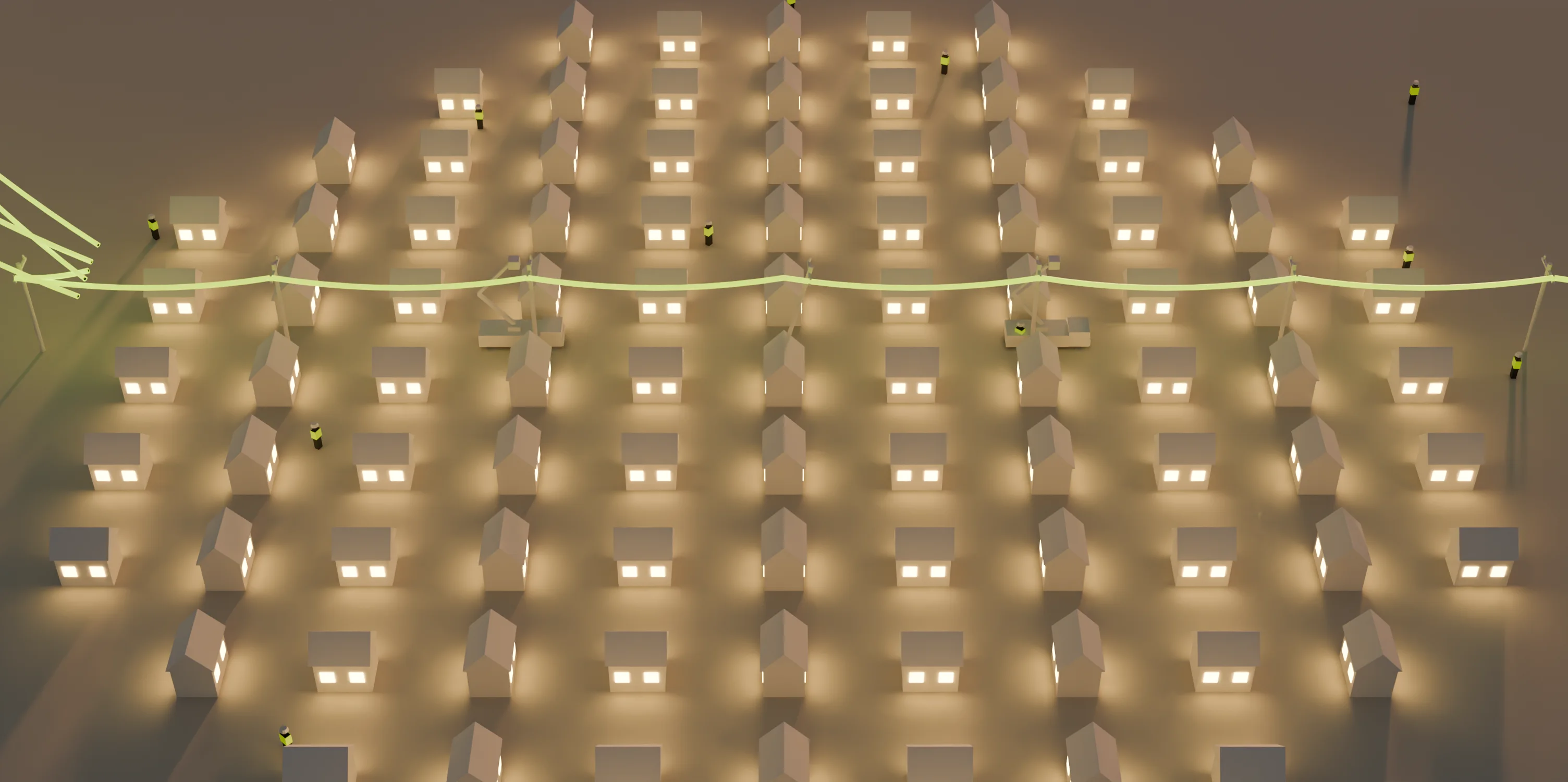
When a storm takes out a territory, the damage is only half the problem. The other half is the wait: for crews to be found, booked, driven in, badged and briefed. Every one of those hours lands on your customers. We don't start looking for linemen after the wind dies down. We treat restoration as a logistics problem that should be solved before the first gust arrives.
The hidden cost of “we'll call around”.
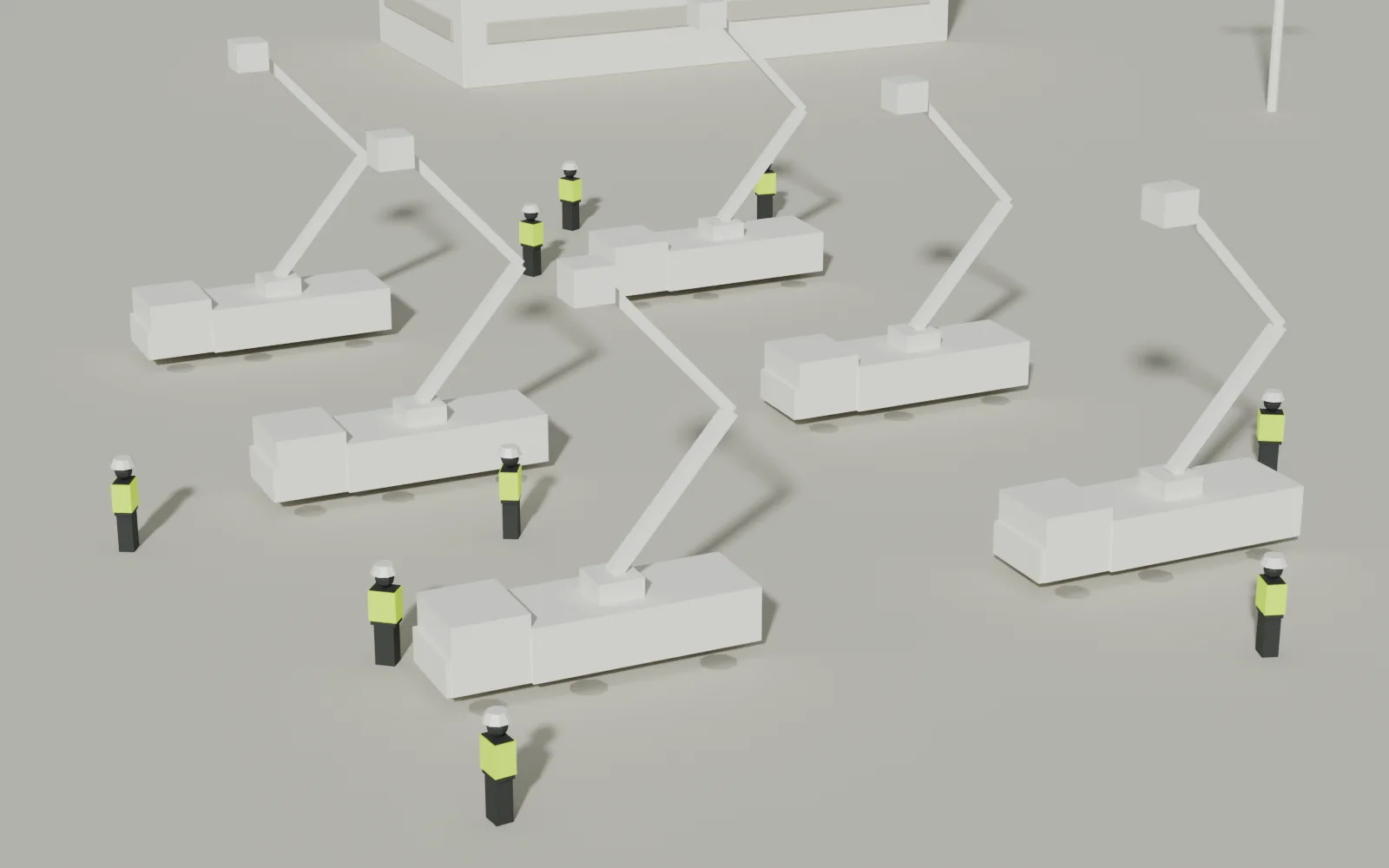
Most restoration still starts with phone trees and spreadsheets. While a storm desk works the list, the outage map stays red. The usual model wastes hours in three places:
Finding crews after the fact
Neighbouring utilities only release crews once their own storm clears, so help arrives on someone else's schedule.
Badging at the gate
Certifications and switching briefings checked one truck at a time while the yard queues up.
No single picture
Crews spread across contractors, each with its own timesheets and its own idea of where they are.
Committed before the forecast turns
We hold a standing roster matched to your territory: crafts, equipment and drive times worked out in the quiet months, so a named storm triggers a roll call rather than a search.
Read the track
We follow every advisory with your storm desk and size the response to the wind field, not a guess.
Clear the crews
Certifications, CDLs and your switching rules are confirmed before a truck leaves its home yard.
Stage outside the wind
Crews wait at agreed yards just beyond the storm, fuelled, fed and briefed.
Built for the restoration curve
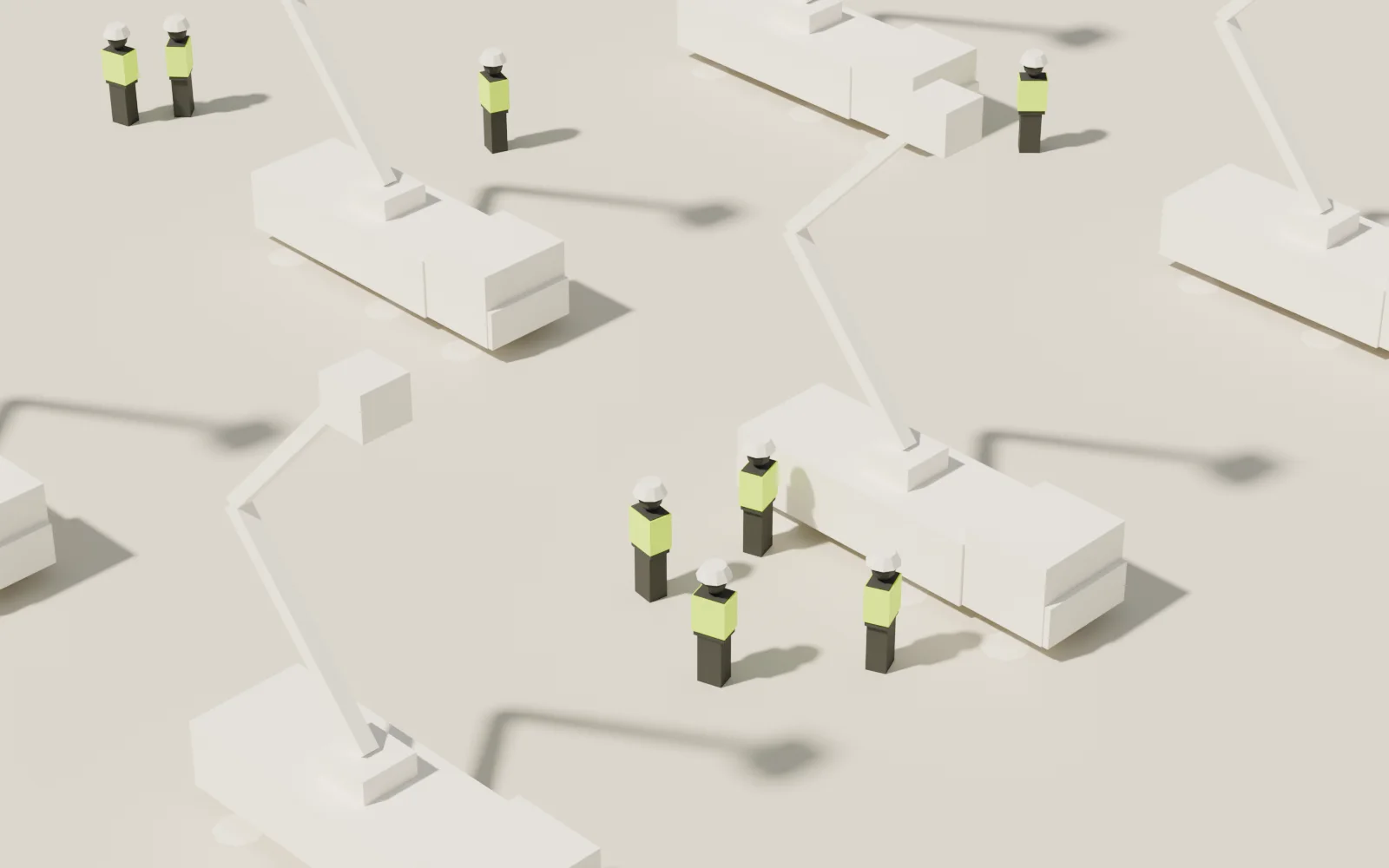
Working with Tallwire is an investment in how fast your outage map turns back to green.
Shorter outages
Crews energize lines while competitors are still booking hotels.
Fewer phone calls
One point of contact for every truck on your system, day and night.
Safer nights
Daily tailboards, your switching rules and arc-rated gear on every crew.
Clean close-out
A logged, photographed work package per circuit when the last customer is back.